Hydrafacial focuses on essential cleansing and hydration; Hydrafacial + Glow Care adds a more detailed cleansing plan; Nexja Premium is the extended personalised option. A longer session is not automatically the better choice. Compare the published Hydrafacial, Hydrafacial + Glow Care and Nexja Premium service details, then confirm the steps that are suitable for your skin at consultation.
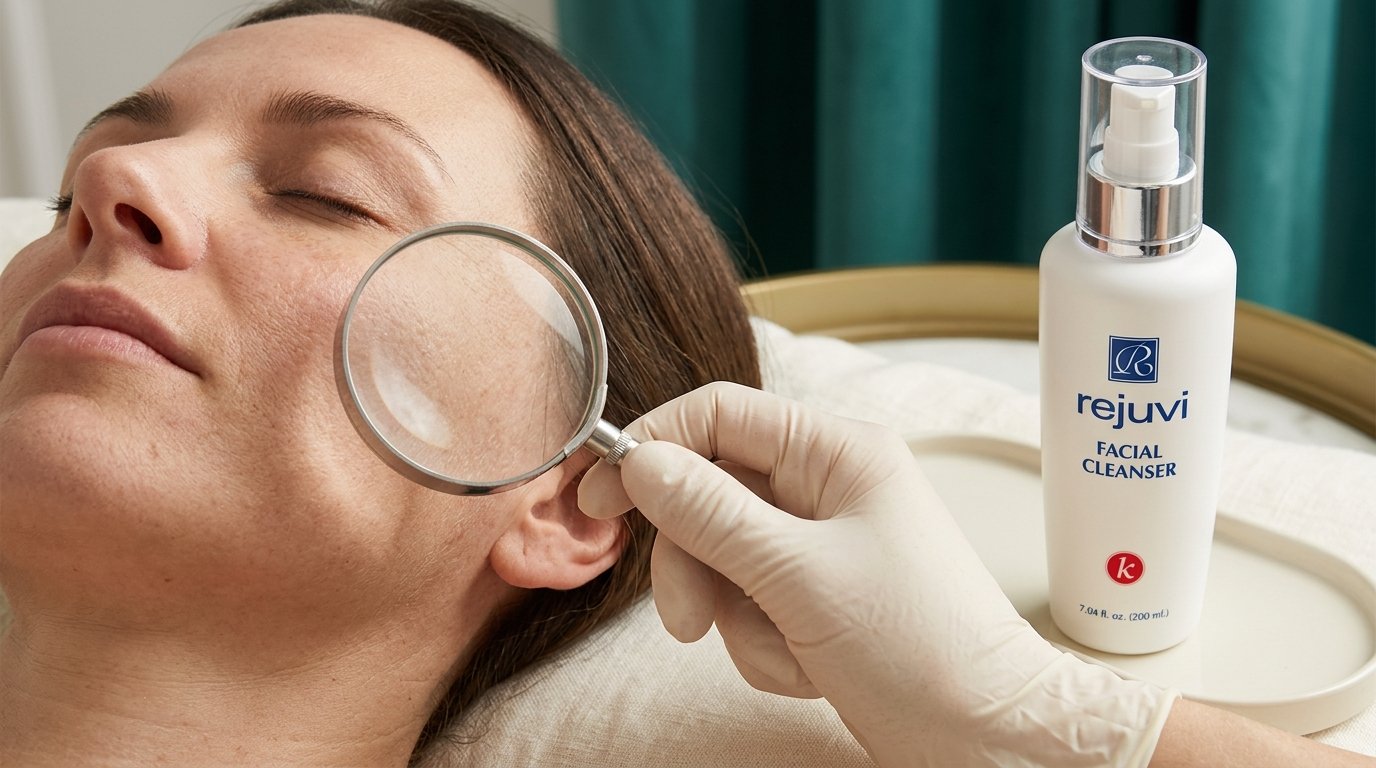
The short answer: choose the scope, not the label
Start with Hydrafacial when your main aim is straightforward cleansing and hydration and your assessment does not identify a need for substantial congestion work. Compare Hydrafacial + Glow Care when a more detailed cleansing plan is relevant. Discuss Nexja Premium when you want an extended, individually explained sequence and enough time for it. None is automatically appropriate for irritated or medically inflamed skin.
The most important distinction: Nexja’s Premium description includes superficial Dermapen or microneedling support where appropriate. This is not an automatic step and must not inherit a routine facial’s low-downtime assumptions. Ask whether it is proposed for you, why, who performs it and what separate consent and aftercare it requires.
This guide concerns Nexja’s own service menu, checked on 15 October 2026. It does not treat local package names as universal manufacturer tiers. A clinic elsewhere may use similar names for a different sequence, so compare actual inclusions rather than transferring assumptions from one menu to another. For the broader service overview, visit Nexja’s skincare and Hydrafacial information.
Use the comparison to prepare for a consultation, not to diagnose a skin condition. A facial may be an enjoyable cosmetic choice; it is not a substitute for medical assessment of painful acne, persistent redness, dermatitis, a changing lesion or unexplained pigmentation. You should be able to understand the recommendation, decline an optional stage and choose a simpler service without pressure.
What a Hydrafacial treatment is—and what it is not
Hydrafacial is a branded facial platform. According to the manufacturer, its Vortex-Fusion system is designed to cleanse, exfoliate, extract and hydrate in a coordinated treatment. A provider uses a handpiece and disposable tips with selected solutions, while suction helps lift surface debris and support pore-focused cleansing. Depending on the protocol and the authorised configuration, additional stages may include targeted boosters, LED light or other optional steps. The sequence is adjustable; that flexibility is valuable only when the decisions are tied to a real assessment rather than an automatic upgrade.
The treatment sits in the cosmetic facial and superficial resurfacing category. It may support a temporarily smoother feel, a refreshed appearance, improved surface hydration and a cleaner-looking presentation of congested areas. These are reasonable cosmetic goals. The treatment should not be presented as a cure for acne, rosacea, melasma, eczema, scarring or enlarged pores. It cannot permanently close pores, erase structural scars, replace prescription acne therapy or guarantee that pigmentation will not return. A person can enjoy a visible cosmetic refresh while still needing a separate medical plan for an underlying condition.
Hydrafacial is also not simply “water on the face.” The treatment involves mechanical contact, suction, exfoliating solutions and topical ingredients. Even when the experience feels gentle, these components interact with the stratum corneum and with the client’s current routine. Strong retinoids, exfoliating acids, recent peels, laser procedures, injectables, active sunburn, open lesions or a compromised barrier can alter tolerance. The word “non-invasive” does not mean “appropriate for everyone on every day.”
Nor is every service carrying the Hydrafacial name identical. Tip choice, number of passes, suction level, peel exposure, extraction intensity, solution selection, booster use, LED, treatment time and aftercare can vary. A responsible comparison therefore asks what is included and why it suits the stated goal. Package names should make the service easier to understand, not conceal the decisions inside it.
For the manufacturer’s description of the platform and current treatment stages, see how Hydrafacial works and the official Hydrafacial treatment overview. Manufacturer information explains the intended system; it should be read alongside independent clinical evidence and individual assessment.
How the platform works: cleanse, exfoliate, extract and hydrate
Step 1: consultation and visual assessment
A high-quality session begins before the handpiece touches the skin. The provider should ask what you want to improve, what products and medicines you use, whether your skin reacts easily and whether you have had recent procedures. The face is then assessed for oil distribution, visible dehydration, congestion, inflammatory lesions, barrier stress, flaking, redness, pigment variation and areas that should be avoided. A digital device may organise observations, but it does not replace history, inspection or professional judgement. Our separate guide to professional skin analysis explains what assessment can and cannot establish.
Step 2: cleansing
Makeup, sunscreen, surface oil and environmental residue must be removed without scrubbing. Cleansing is not a dramatic “detox” event; it prepares the surface so the provider can see the skin and use the handpiece consistently. Very resistant makeup, heavy occlusive products or self-tan may interfere with assessment. Arriving with a relatively simple routine can make the starting condition easier to interpret.
Step 3: controlled surface exfoliation
Exfoliation helps loosen superficial corneocytes and may improve the immediate feel of rough or dull skin. The exact solution and exposure matter. More exfoliation is not automatically better: the useful dose is the one the skin can tolerate within the complete session. A client already using retinoids, benzoyl peroxide, alpha-hydroxy acids, beta-hydroxy acids or abrasive tools may need a modified plan or a pause. Combining multiple exfoliating stresses without considering the total load can produce tightness, stinging or prolonged redness.
Step 4: suction-assisted pore care
The handpiece uses controlled suction while moving over the skin. This can help lift softened surface debris from suitable congested areas. It is not the same as surgically removing a cyst, treating deep inflammatory acne or permanently emptying every follicle. Blackheads, closed comedones and normal sebaceous filaments are different presentations. Our guide to blackheads and sebaceous filaments explains why repeated aggressive extraction is not always appropriate.
Suction should be adapted to anatomy and tolerance. Thin areas, visible vessels, active inflammation or easily bruised skin may require reduced intensity or avoidance. Lingering linear marks, pinpoint bleeding or significant bruising are not goals. The provider should keep the tip moving as intended, monitor the response and stop if sensation or colour changes unexpectedly.
Step 5: targeted topical delivery
Selected solutions or boosters are applied through the treatment sequence. Ingredients must be chosen for the client rather than for trend value. Hydrating, antioxidant or brightening language can describe cosmetic objectives, but the provider should still disclose relevant products and check known allergies. A botanical ingredient is not automatically hypoallergenic; a stronger active is not automatically more effective; and a premium brand name does not remove the need for compatibility assessment.
Step 6: hydration and barrier-aware finishing
The finishing phase should leave the skin comfortable, not stripped. Moisture-supporting products may improve softness and reduce the tight sensation that can follow cleansing and exfoliation. Sunscreen is important when the client will leave during daylight. If the skin is already reactive, the finish should remain simple. Layering several fragranced or highly active products can undermine an otherwise conservative session.
Step 7: optional components
LED or other additions may be offered within certain service designs. Their inclusion should be explained in plain language, including what the device is, what goal it serves, what evidence supports it and whether there are contraindications. An add-on should not be treated as automatically necessary simply because it appears in a higher tier. The core question remains: does it add relevant value for this person today?
Hydrafacial vs Hydrafacial + Glow Care: where Nexja Premium fits
The service-page facts below are a starting point, not a prescription. Durations are approximate booked treatment times, not promises about your individual appointment. Confirm current inclusions and total price before attending; do not assume a product or optional procedure is guaranteed solely because it appears in a photograph.
| Decision point | Hydrafacial | Hydrafacial + Glow Care | Nexja Premium |
|---|---|---|---|
| Approximate duration | 30–40 minutes | 50–60 minutes | 105 minutes |
| Published emphasis | Essential cleansing and hydration | Detailed cleansing and congestion care | Extended, personalised multi-stage care |
| Service distinction | For skin without pronounced blackheads or congestion | Additional peeling, serums and treatment masks | Targeted products, masks and relaxing stages; optional superficial needling where appropriate |
| Brands named on the service page | Confirm selected products | Mainly London Multiactiv | Rejuvi and Schrammek |
| Question to resolve | Does essential care cover my goal? | Do I actually need the additional cleansing work? | Which added stages are justified, and is needling included or omitted? |
Hydrafacial
The current Hydrafacial service description is the source for the essential pathway in the table. It makes sense to discuss this option when the goal is a manageable first experience or maintenance of an otherwise comfortable surface. A short service can still require a careful history, clear explanation and appropriate hygiene; these are not extras reserved for higher-priced appointments.
Imagine that you like your usual routine but your face feels dull after a busy period. Your useful question is not “Will I regret choosing the cheapest option?” It is “Which specific problem would an extra stage address?” If the provider cannot identify an additional need, staying with the simpler plan can be a sound decision. Conversely, a first visit does not automatically mean Hydrafacial: substantial congestion, irritation or a medical concern may lead to another recommendation or no treatment that day.
Hydrafacial + Glow Care
The Hydrafacial + Glow Care service page describes more than a finishing serum or a photographic sheen. Its distinguishing emphasis is detailed cleansing with supporting stages. That makes the consultation about the location and nature of congestion, the amount of suitable work, and how the skin responds—not merely whether you want to look radiant.
Ask the provider to point out what needs attention and what should be left alone. A visible dot is not automatically an extraction target, and a tender lesion should not be treated as a stubborn blackhead. A good explanation might separate the nose from already dry cheeks and propose different handling for each. The value of extra time lies in appropriate work and observation, not in applying stronger suction everywhere. If you are booking before photographs, discuss that deadline separately; the name Hydrafacial + Glow Care does not guarantee zero redness.
Hydrafacial Nexja Premium
The Nexja Premium service description sets out an extended clinic-designed protocol. The word Nexja names the service, not a device manufacturer. Its longer format can appeal to someone who values a more expansive appointment, but the provider should still identify what each proposed component contributes. Relaxation and attentive service can be worthwhile preferences without being presented as stronger medical efficacy.
Do not buy an undefined bundle. Ask for the sequence in plain language and distinguish cosmetic finishing from anything that changes the skin’s recovery needs. You may appreciate additional time while declining a particular active or optional procedure. If a stage is omitted for safety, the clinic should explain the revised plan and price rather than treating your consent as an obstacle. An informed choice can be Premium, a simpler option, or postponement; none should be judged by the prestige of its name.
Premium’s optional needling: a separate decision, not an automatic upgrade
This deserves its own conversation because suction-assisted cleansing and microneedling are not interchangeable mechanisms. A consent form for a facial should not silently become consent for skin penetration. The consultation should establish whether a needling stage is actually proposed, its purpose, the qualifications and professional scope of the practitioner, the device used and the reason it is suitable for your skin today.
The FDA’s consumer guidance on microneedling describes potential redness, bleeding, pigment changes and infection, among other risks. It also states that the agency has not reviewed the safety or effectiveness of combining cleared microneedling devices with other products. This is U.S. regulatory guidance, not proof of approval or legal status in Türkiye, but it makes a useful safety distinction: a cosmetic serum suitable on intact skin is not automatically suitable for use with needles.
For a client, the practical response is to request separate explanations, not technical instructions for performing the procedure. Which steps are cosmetic facial care? Which involve needling? What recovery should you plan for? What will touch the skin during that stage? Are single-use components handled correctly? Who should you contact if healing is not as expected? Do not accept “it is included” as the complete answer to a risk question.
If you have an imminent event, uncertain skin tolerance or a complicated treatment history, make that clear before optional procedures are agreed. A clinician may advise a different sequence, separate appointments or omission. You should not be pressured to accept a more invasive element to receive the rest of the booked experience. Nor should a package be described as universally downtime-free if its actual contents can require recovery.
Our separate guide to Hydrafacial and microneedling for texture explores the mechanism difference. Here, the purchasing question is narrower: does this proposed addition belong in your appointment at all? Resolve that before comparing prices or minutes. If the answer is unclear, keep the appointment within the clearly explained cosmetic scope until an appropriately qualified professional has assessed the separate procedure.
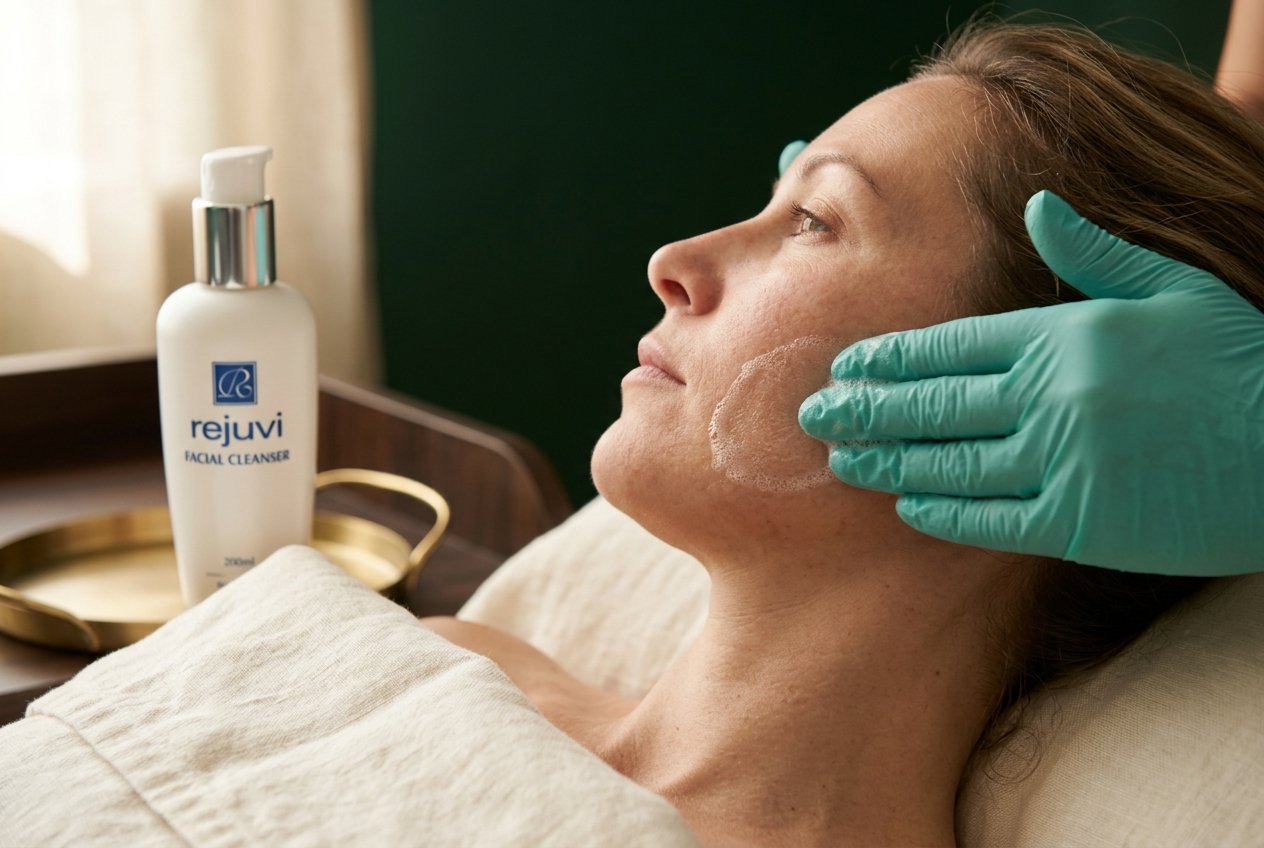
How consultation changes protocol selection
Consultation converts a menu into a plan. A provider should first separate the client’s words from the underlying observation. “My pores are huge” may refer to normal sebaceous filaments, oiliness, comedones, texture shadow or loss of elasticity. “My skin is dry” may mean low water content, a disrupted barrier, flaking from retinoids or simply tightness after an unsuitable cleanser. “I need glow” could mean an event tomorrow, chronic dullness, post-inflammatory marks or fatigue. These distinctions change what a facial can reasonably achieve.
The provider should review current products. Retinoids, exfoliating acids, benzoyl peroxide, scrubs, cleansing brushes, pigment products and newly introduced serums matter because the treatment adds another exfoliating and topical exposure. Prescription medication should not be stopped on casual advice. Instead, the provider should ask the client to confirm safe timing with the prescriber when necessary.
Recent professional procedures also matter. Chemical peels, microneedling, fractional laser, waxing, threading, injectables and other treatments have different recovery patterns. The absence of visible peeling does not prove full recovery. Timing should be based on the procedure, the treated area, the skin’s current condition and the instructions of the practitioner who performed it.
History of cold sores, contact allergy, easy bruising, rosacea, eczema, dermatitis, keloid tendency, pigment change or poor healing should be disclosed. These facts do not automatically exclude every facial, but they can change product choice, suction, pressure, timing or the decision to postpone. Pregnancy and breastfeeding require product review and a conservative approach; the platform name alone does not determine suitability.
Finally, consultation should define success. If the goal is a comfortable, hydrated appearance before travel, the plan differs from repeated care for congestion. If the client expects scar removal or permanent pore closure, the provider should correct the expectation before treatment. Informed consent starts with a shared definition of what the session is—and is not—trying to do.
Choose the protocol by skin goal, not by package name
A useful comparison between the three pathways is organised around goals that can be observed and reviewed. It does not begin with the assumption that every concern needs a stronger setting or a longer list of add-ons. The examples below illustrate decision-making, not personal treatment recommendations. Several concerns may coexist; that does not automatically mean every concern should be treated during the same appointment.
Dehydration and a tight, dull surface
Dehydrated skin lacks water; dry skin produces less oil. The two can overlap, but they are not identical. A client who feels tight after cleansing, spends long hours in heated or air-conditioned environments, flies frequently or uses several exfoliants may be dealing with temporary dehydration or barrier stress rather than a need for forceful resurfacing. The plan may therefore emphasise gentle cleansing, restrained exfoliation, compatible humectant-rich finishing products and simple aftercare.
The immediate aim is usually a more comfortable, supple-looking surface. That effect may be noticeable after one session, yet it is not a permanent change in the skin’s water regulation. Daily cleansing habits, moisturiser, sun protection and environmental exposure continue to matter. Persistent flaking, cracking, burning or itch deserves assessment for dermatitis or another condition instead of repeated cosmetic treatment.
Congestion, blackheads and visible sebaceous filaments
Congestion is one of the most common reasons people request suction. It is also where careful language matters most. Sebaceous filaments are normal structures that help move sebum through the pore; they can refill after removal. Blackheads are open comedones formed by keratin and sebum in a follicle. A Hydrafacial may temporarily reduce the visible contents of selected pores, but it cannot permanently erase follicles or prevent every future comedone. Our guide to blackheads versus sebaceous filaments explains why recurrence does not automatically mean a treatment failed.
More suction is not always better. Repeated passes can increase irritation without a useful improvement. Inflamed, tender lesions should not be treated as plugs to be forcefully emptied. When acne is persistent or scarring, cosmetic care should not replace medical assessment. The American Academy of Dermatology’s guidance on habits that can worsen acne supports avoiding scrubbing and picking rather than chasing an aggressively “clean” feeling.
Rough texture and an uneven-looking surface
Surface roughness can reflect compacted dead cells, dehydration, irritation, comedones, fine lines or true acne scarring. A gentle hydradermabrasion-style session may make superficial texture feel smoother for a time. It cannot remodel deep atrophic scars in the way that a clinician might aim to do with a carefully selected course of microneedling, laser or other medical procedures. That distinction prevents a pleasant facial from being sold as scar correction.
If the concern is mild surface texture, conservative exfoliation and hydration may be appropriate. If the concern is rolling, boxcar or ice-pick scarring, active acne should first be assessed and the person may need a different pathway. The comparison in Hydrafacial versus microneedling for texture can help separate short-term surface polish from controlled injury intended to stimulate longer-term remodelling.
Uneven tone and post-acne marks
“Uneven tone” is not a diagnosis. It may describe freckles, sun-related spots, post-inflammatory hyperpigmentation, melasma, redness, shadow from texture or an active rash. Hydration and surface refinement can make the complexion look fresher, but a facial does not reliably treat every source of colour. Pigment-prone skin also needs cautious exfoliation because irritation itself can lead to darker marks.
A sensible plan places daily broad-spectrum sun protection at the centre and avoids promising that one session will remove pigment. New, changing, bleeding or asymmetric lesions should not be treated cosmetically before medical assessment. Melasma and persistent post-inflammatory change often need a longer strategy with realistic maintenance expectations.
Event preparation
Before a wedding, conference, photography session or holiday, predictability matters more than novelty. A first-ever aggressive facial immediately before an important event is a poor experiment. The provider should ask the event date, prior treatment response, usual sensitivity and whether makeup will be applied soon afterward. A familiar, conservative protocol performed with enough buffer is generally easier to plan than multiple new add-ons.
No ethical clinic can guarantee zero redness, no breakout or a perfect photographic result. Even low-downtime treatments can produce temporary flushing, tightness or sensitivity. Clients should leave time for their skin to settle and should avoid stacking waxing, peels, strong home exfoliants and other potentially irritating services in the same short window.
When to postpone or seek medical advice first
A treatment name cannot replace screening. The safest choice is sometimes to postpone. The list below is deliberately practical rather than exhaustive; the provider must respond to the person in front of them and work within local professional scope.
- Broken or infected skin: postpone over open wounds, weeping areas, suspected bacterial infection, active cold sores or another contagious eruption. Cosmetic devices should not pass over compromised tissue.
- Active inflammatory disease: a significant eczema, dermatitis, psoriasis or rosacea flare needs stabilisation. Redness alone should not be diagnosed from a photograph or covered with an aggressive “detox” protocol.
- Painful inflammatory acne: do not use strong suction over cysts or nodules. A dermatologist may be the appropriate first step, particularly when there is scarring or rapid worsening.
- Recent procedures: follow the instructions of the clinician who performed a peel, laser, microneedling, surgery, injectable or other procedure. Skin may remain vulnerable after it looks superficially normal.
- Recent sunburn or heavy sun exposure: irritated, hot or peeling skin should recover before optional exfoliation. Sun protection is essential afterward.
- Medication and product concerns: disclose prescription retinoids, anticoagulants, photosensitising medicines, topical acne therapy and any product that has recently caused burning or peeling. Do not stop prescribed medicine without the prescriber.
- Allergy or sensitivity history: disclose reactions to cosmetics, adhesives, fragrances, salicylates or other ingredients. Ingredient review is more reliable than relying on the word “hypoallergenic.”
- Pregnancy or breastfeeding: the mechanical platform is only one part of the service. Solutions, boosters and optional components must be reviewed, and the provider may simplify or defer treatment.
- Unexplained lesion or symptom: a changing mole, persistent ulcer, sudden facial swelling, severe pain or rapidly evolving rash needs medical assessment, not a facial.
People with a history of post-inflammatory hyperpigmentation may still be candidates, but the threshold for irritation should be lower. People who bruise easily may need reduced suction or a different approach. A history of keloids does not automatically predict a problem from a superficial facial, yet it signals that unnecessary trauma should be avoided. The clinic should document the concern and the adaptation rather than treating a checklist as a substitute for judgement.
What happens before, during and after a Hydrafacial Istanbul appointment
Before the appointment
Arrive with an accurate list of skincare and medication. If possible, avoid deliberately tanning or testing a new strong active immediately beforehand. The clinic may advise a pause for selected non-prescription exfoliants, but timing depends on the product, the skin and the planned protocol. Do not independently discontinue a prescription.
Photographs taken with consistent lighting can help establish a baseline, provided consent and privacy are handled properly. They should not be filtered or used to imply a guaranteed transformation. A short professional skin analysis can help distinguish surface oil, dehydration, visible congestion and irritation, but imaging devices do not turn cosmetic observations into medical diagnoses.
During the appointment
The experience should feel controlled. Clients often describe the handpiece as cool, wet and gently suctioning rather than painful. Sensation varies by area: the nose and chin may feel more intense than the cheeks. The client should report sharp pain, burning, excessive pulling or dizziness immediately. “No pain, no gain” is not an appropriate rule for facial suction or exfoliation.
A well-run session proceeds methodically and avoids repeated passes simply to create dramatic waste-container photographs. The provider should explain changes made from the planned protocol. If the skin becomes unexpectedly reactive, reducing intensity or stopping is a sign of responsible care, not failure.
Immediately afterward
The skin may look more hydrated and feel smoother, while mild temporary pinkness can occur. The finish should be assessed in normal light rather than only under a flattering lamp. The provider should check comfort, review what was actually used and give concise aftercare that matches the session. Clients should know whom to contact if an unexpected reaction develops.
Avoid judging the result solely by material visible in a collection chamber. Fluid colour and debris do not quantify “toxins,” disease or treatment success. Useful outcomes are the client’s comfort, the observed surface change, tolerance and whether the plan met its modest objective without unnecessary irritation.
Aftercare: protect the result without over-treating
Aftercare should follow the actual treatment, not just the package name. The points below concern a superficial facial on intact skin. If your appointment includes needling, follow the separate clinician-issued recovery plan; do not apply routine facial makeup or product advice to recently needled skin. Ask for written clarification if different instructions conflict.
The AAD’s advice on safe exfoliation emphasises considering existing products and avoiding over-exfoliation. That supports a simple principle here: do not add several new exfoliating exposures merely to prolong a freshly polished feeling. Any prescription changes need the prescriber’s guidance, not a universal internet timetable.
- Cleanse gently. Use lukewarm water and a familiar, non-abrasive cleanser. Hot water, cleansing brushes and grainy scrubs can add friction to a freshly treated surface.
- Moisturise simply. Choose a product already known to be tolerated. This is usually not the moment to test a highly fragranced mask or several new actives.
- Use appropriate sun protection. The AAD recommends broad-spectrum, water-resistant sunscreen with SPF 30 or higher. Follow label directions and combine protection with shade and clothing. After a separate procedure, use the products and timing your clinician specifies.
- Delay irritating actives as advised. Retinoids, exfoliating acids, benzoyl peroxide and strong acne products may need a short pause. Prescription decisions belong with the prescriber.
- Avoid picking. Do not squeeze a pore that still looks congested. Manipulation can increase inflammation and the risk of a mark.
- Be cautious with heat and friction. Very hot showers, sauna, vigorous exercise and tight face coverings may amplify flushing in sensitive clients immediately after treatment.
- Watch for an unusual reaction. Increasing pain, marked swelling, blistering, spreading rash or signs of infection are not routine “purging.” Contact the clinic and seek medical care when appropriate.
The idea that skin must “purge” after every facial is misleading. Some acne treatments can accelerate the appearance of pre-existing microcomedones, but a painful or persistent eruption after a cosmetic service should not be dismissed automatically. Record when it began, which products were used and whether there are symptoms such as itch, heat or swelling.
Makeup timing is individual. A person with calm skin may be comfortable applying clean makeup later, while a reactive client may prefer to wait. Clean applicators and non-irritating products matter more than a universal clock. For an event, discuss timing before booking rather than trying to solve it after the session.
How often should Hydrafacial be repeated?
There is no medically necessary monthly Hydrafacial schedule for everyone. Frequency should reflect the goal, response, budget, total exfoliation burden and the rest of the care plan. Some clients book a single session before an event. Some choose periodic maintenance because they enjoy the finish. Others should spend their resources on diagnosis, prescription care or daily sun protection instead.
A return visit should begin with review: How long did comfort or smoothness last? Was there irritation? Did congestion meaningfully improve? What changed in the home routine? Repeating the same protocol despite a poor response is not personalisation. Equally, a pleasant temporary effect is a valid cosmetic outcome when it is described honestly and fits the client’s priorities.
Skin does not become “dependent” on professional cleansing. Normal sebum production and cell turnover continue. When visible filaments or roughness return, that does not prove dependence; it reflects biology and ongoing exposures. A maintenance plan should never be framed as a threat that pores will become permanently worse if the client stops.
What makes an upgrade worth paying for?
Comparing a menu is easier when you separate four kinds of value: work required for the agreed goal, time and attention, optional experiences, and any additional procedure with its own risks. These are not interchangeable. A relaxing stage may be worth paying for because you enjoy it, even if it does not produce a measurable medical change. Conversely, an intervention with a different mechanism needs a suitability discussion, not just a statement that it makes the package more luxurious.
Ask for the difference in work, not a list of adjectives
Ask the provider to complete this sentence: “Compared with the simpler option, this appointment adds ___ because ___.” A concrete answer makes the recommendation reviewable. “More advanced,” “deeper,” or “our best” does not tell you whether a stage helps your particular concern. A useful answer explains the added task, the area being addressed, what outcome is reasonable and why the skin is expected to tolerate it. The provider should also say what happens if assessment on the day changes that plan.
Compare the whole appointment, not price per minute
Time can allow careful work, but it is not a dose of effectiveness. Dividing the price by the advertised minutes overlooks differences in assessment, products, technique, follow-up and the client’s preference for a longer experience. It can also reward unnecessary complexity. Instead, compare the cost of receiving the service that actually matches your goal. A shorter suitable appointment can represent better value than a longer appointment containing stages you do not want.
Ask whether the quoted amount includes assessment, the agreed products, optional components and any relevant follow-up. Confirm what would change if a proposed stage is omitted. Prices can change, so this guide links to the current service pages rather than presenting an undated price as a permanent offer. Keep written confirmation of the booked option and total. A clear quotation prevents the treatment room from becoming the first place you learn that an advertised feature costs extra.
Do not buy a course before you understand your response
A multi-visit offer may be convenient, but the decision should not depend on fear that skipping appointments will damage your skin. Before committing, clarify validity, cancellation, transfer and refund terms, especially if your skin becomes unsuitable. Ask whether the plan can be adjusted after the first visit. Your response should inform subsequent choices; paying in advance should not force repetition of a poorly tolerated protocol.
Also account for the non-financial cost. An appointment may require travel, schedule flexibility, a change to your usual routine or time for observation. If a separate procedure is included, recovery and follow-up become more important. The fairest comparison includes these burdens rather than treating them as inconveniences you should discover afterward. Bring your calendar into the consultation alongside your skincare products.
Know when the better purchase is no facial
If your main problem is a persistent rash, painful acne or a changing lesion, the most useful next expense may be an appropriate medical consultation. If your skin is comfortable and you do not want professional care, a facial is not a compulsory health subscription. Choosing not to buy, choosing a simpler appointment, or delaying until you have more information can all be informed outcomes. A trustworthy comparison leaves room for those answers.
What research does—and does not—prove about the three tiers
We did not identify a head-to-head clinical trial comparing Nexja Hydrafacial, Hydrafacial + Glow Care and Nexja Premium. The service comparison is therefore a comparison of published scope and practical suitability, not a research-backed ranking of which package produces the best outcome. Studies of hydradermabrasion or a named clarifying protocol cannot establish the effectiveness of every clinic combination using a related term.
A short-term imaging study is not proof of lasting collagen change
A 2024 study using line-field confocal optical coherence tomography examined eight volunteers. It reported immediate skin changes after hydradermabrasion, with several measurements returning toward baseline after two weeks. The investigators did not observe a visible change in collagen quantity or quality at that follow-up. The small sample and brief observation period matter: the paper helps describe short-term effects but does not establish lasting structural rejuvenation, permanent pore reduction or superiority of a premium service menu.
An acne treatment series cannot be generalised to every facial
A 2022 open-label study of a HydraFacial clarifying series enrolled twenty adults with mild-to-moderate acne and used six treatments over twelve weeks. The authors reported improvement, but the study was small, lacked a blinded comparator and included a disclosed company-employed author. These limitations do not make the results meaningless; they limit the conclusions. They do not prove that a single ordinary facial cures acne, that any optional booster produces the same result, or that cosmetic care should replace an established medical treatment plan.
Earlier research remains preliminary
An early clinical study of hydradermabrasion and antioxidant delivery is often referenced in discussions of surface rejuvenation. It studied a particular intervention rather than these three Nexja packages. When a treatment menu borrows a research claim, ask whether the method, products, participants, schedule and measured outcome actually match. A citation supports what the study investigated—not every marketing statement placed next to it.
The practical lesson is to keep the question and evidence aligned. Manufacturer documentation explains the intended platform. Clinical studies explore specific outcomes under particular conditions. A service page describes an offer. Your consultation addresses suitability. Each provides a different kind of information; none alone can stand in for all the others.
Before-and-after photographs are especially vulnerable to lighting, camera distance, facial expression, makeup, moisturiser sheen and editing. A trustworthy comparison uses the same light, angle and settings and states the time interval. Even then, a photograph cannot show comfort, adverse effects or how long the change lasted.
The strongest claim that can usually be made is proportional: a properly selected superficial treatment may temporarily improve hydration, smoothness, radiance and the visible appearance of some congestion, with limited downtime for many suitable clients. It is not a cure for acne, melasma, rosacea, deep scarring or ageing. Individual response varies.
Realistic results and how to measure them
Good outcome tracking starts with a narrow goal. “Better skin” is too vague. “Less tightness for several days,” “a smoother makeup surface for an event,” or “fewer visibly congested areas without bruising” can be reviewed. The timeline should also be specified: an immediate hydrated finish is different from a durable change after a treatment series.
Visible pores may look smaller when debris is removed and the surrounding surface is hydrated, but pores do not open and close like doors. Their apparent size is influenced by genetics, sebum, comedones, collagen support, sun damage and lighting. For a deeper explanation, see whether pores can be permanently closed and Nexja’s guide to enlarged-pore treatment options in Istanbul.
Clients with acne should measure inflammatory lesions and tolerance rather than expecting a suction session to solve the disease. A plan for professional care for acne-prone skin may include gentle support, but worsening, scarring or persistent acne should be medically assessed.
Maintenance is not failure. Many cosmetic effects are temporary, just as moisturiser must be reapplied. The ethical issue is whether duration and limitations were explained before payment. Packages should not be sold using fear, false detox language or guarantees that depend on repeated purchases.
Ingredients, boosters and optional components
The handpiece attracts attention, but the liquids that touch the skin matter just as much. A responsible consultation reviews the planned cleanser, exfoliating solution, booster and finishing product. Brand names are not enough: a client with allergy, pregnancy, a damaged barrier or prescription therapy may need ingredient-level review. The provider should be able to say what each step is intended to do and what is optional.
Acids and exfoliating solutions
Superficial protocols may use alpha-hydroxy or beta-hydroxy acids in concentrations and contact patterns determined by the system. Glycolic or lactic acid primarily supports surface exfoliation, while salicylic acid is oil-soluble and often discussed for congestion. The presence of a familiar ingredient does not make the professional exposure equivalent to a home toner. Concentration, pH, delivery, contact time, number of passes and the rest of the session influence effect and irritation.
Clients using a retinoid, leave-on acid or benzoyl peroxide may already have a substantial exfoliation burden. Adding every possible acid because the skin appears congested can backfire. Burning, persistent erythema and barrier disruption are not necessary endpoints. If an ingredient has caused a previous reaction, record the specific product and symptoms instead of simply labelling the person “sensitive.”
Hydrating and antioxidant products
Humectants such as hyaluronic acid attract water within a formulation, while emollients and occlusives influence softness and water loss. “Hyaluronic acid” does not mean injectable filler, and a topical facial does not create filler-like volume. Antioxidant claims also require proportion: a topical product may support a cosmetic routine, but it does not neutralise every environmental exposure or replace sunscreen.
A serum that feels elegant immediately can still be unsuitable if it contains a fragrance or botanical to which the client reacts. Conversely, a long ingredient list is not automatically dangerous. Suitability depends on formulation, exposure and history. The provider should avoid using fear-based “chemical-free” language; water and every cosmetic ingredient are chemicals in the scientific sense.
Brightening boosters
Brightening is a cosmetic description, not a diagnosis. Ingredients used for uneven-looking tone have different evidence and restrictions. A booster should not be chosen until the provider considers whether the colour represents post-acne marks, melasma, redness, a lesion or simply lighting and dehydration. Aggressive treatment of pigment-prone skin may trigger more visible discoloration.
No booster should be described as changing a person’s natural skin colour. The ethical goal is an even, healthy-looking appearance and support for the person’s stated concern. Daily broad-spectrum sunscreen, appropriate medical evaluation and time often matter more than adding another ampoule.
Optional light or complementary stages
Some packages add LED exposure, masks, lymphatic-style massage or other modalities. Each addition has its own mechanism, evidence, contraindications and time requirement. It should not inherit credibility merely by being placed beside the Hydrafacial platform. Ask what device and wavelength are used, what the intended endpoint is and whether eye protection or another precaution is required.
Optional components also complicate attribution. If five new steps are introduced at once and the skin reacts, identifying the cause is difficult. For a first appointment or a reactive client, a simpler protocol creates a clearer tolerance record. Complexity is not the same as personalisation.
Hygiene, device authenticity and treatment records
Infection prevention is mostly unglamorous: hand hygiene, clean treatment surfaces, correct handling of tips and solutions, and appropriate disposal or reprocessing. These practices matter more than a photogenic machine. The clinic should follow the manufacturer’s instructions and applicable local requirements. If a component is described as single-use, it should not be reused to reduce cost.
Authenticity questions are reasonable because generic hydro-facial devices are common. A provider should not call a different machine “Hydrafacial” merely because it uses water and suction. Clients can ask to see the platform branding and the name of the booked service. Authentic equipment still does not guarantee an appropriate protocol; it establishes what system is being represented.
A useful treatment record identifies date, provider, areas treated, relevant screening information, tips or stages, products, adjustments, tolerance and aftercare. If photographs are taken, consent and storage purpose should be recorded. Documentation makes a future session safer because the clinic can repeat what worked or avoid what did not.
Adverse events deserve factual notes rather than blame. Record the onset, distribution, symptoms, product exposure and advice given. If medical review is needed, the client should receive the relevant product information. A clinic that minimises a significant reaction as “normal detox” makes appropriate follow-up harder.
A step-by-step decision framework
The following framework helps a prospective client move from an advertisement to an informed choice. It can also prevent the consultation from becoming a race toward the most expensive tier.
Step 1: Name one primary concern
Choose the concern that matters most today: temporary dehydration, mild congestion, rough surface, a pre-event finish or something else. If the main concern is a rash, painful acne, a changing lesion, deep scars or persistent pigment, begin with diagnosis rather than a facial menu.
Step 2: Define the desired timescale
Do you want a short-term cosmetic finish for an event, periodic maintenance, or a structural change over months? Hydrafacial fits the first two aims more naturally than the third. A mismatch between mechanism and timescale is a common source of disappointment.
Step 3: List current exposures
Write down prescriptions, retinoids, acids, acne products, allergies, recent sun exposure and professional procedures. Include products used only once or twice if they caused a reaction. The provider cannot adapt to information that remains hidden.
Step 4: Establish a baseline
Describe comfort, oiliness, flaking, lesion count or makeup behaviour before treatment. If photographs are used, keep lighting and camera settings consistent. A baseline turns “I think it helped” into a more useful review without pretending cosmetic measurement is perfect.
Step 5: Select the least complex adequate protocol
Ask how each added step changes the plan. If Hydrafacial meets the agreed goal, there is no scientific obligation to buy Premium. If Hydrafacial + Glow Care is proposed, clarify what additional cleansing work is relevant. If Premium is proposed, request a component-by-component rationale and make a separate decision about any optional needling.
Step 6: Agree on stop rules
Sharp pain, intense burning, excessive pulling, unexpected swelling or a rapidly increasing reaction should lead to reassessment. The provider should be willing to reduce intensity, omit a product or stop. Completing every advertised step is less important than protecting the skin.
Step 7: Review before repeating
At follow-up, compare the actual outcome with the goal. Note duration and adverse effects. Decide whether to repeat, modify, simplify or choose another pathway. A package should remain a choice, not a substitute for reassessment.
Special considerations for common skin profiles
Oily but dehydrated skin
Oiliness and dehydration can coexist. Stripping the surface may provoke more tightness without solving sebum production. This profile often benefits from gentle cleansing, selective work on congestion and non-heavy hydration rather than an aggressive attempt to make the skin feel squeaky clean.
Retinoid users
Topical or oral retinoid exposure changes tolerance and healing considerations. The exact medicine, dose, treated area, duration and current skin condition matter. A cosmetic provider should not give casual instructions to stop a prescription; coordination with the prescriber is appropriate where timing is uncertain.
Rosacea-prone or highly reactive skin
Heat, friction, suction and active ingredients can trigger symptoms in some people. When skin is calm, a simplified protocol may sometimes be considered, but active flushing, burning, pustules or barrier disruption warrant caution. The goal should never be to “extract rosacea.”
Skin prone to post-inflammatory hyperpigmentation
Any irritation can leave a mark, regardless of how superficial the service is marketed. Conservative settings, fewer experimental additions and diligent sun protection are important. The provider should avoid repeated passes intended to chase an immediately brighter result.
Mature or very thin skin
Hydration can temporarily improve suppleness and the appearance of fine dehydration lines. Thin skin may bruise more easily and needs restrained suction. Claims of lifting, rebuilding lost facial volume or erasing deep wrinkles exceed what a superficial facial can reasonably deliver.
Beard area and shaving irritation
Recent close shaving can leave micro-irritation, while ingrown hairs or folliculitis may be mistaken for simple congestion. Discuss shave timing and avoid aggressive passes over inflamed follicles. A facial does not diagnose or cure recurrent folliculitis.
Example consultation scenarios
Examples make the decision process easier to understand, but they are not personalised treatment recommendations. In each scenario, the correct outcome depends on examination, history and professional scope.
A first-time client with mild congestion
The client uses a gentle cleanser and moisturiser, has visible filaments around the nose and no inflamed acne or recent procedures. A conservative Hydrafacial pathway may be a reasonable starting point. The provider can use moderate, localised suction, avoid repeated passes and explain that filaments will return. Success could mean a cleaner-looking surface without bruising or prolonged sensitivity, not permanent pore removal.
A visitor preparing for photographs
The client has an event in one week and previously tolerated gentle facials. Their main concern is dullness and makeup texture. The provider should establish whether detailed cleansing is needed before recommending Hydrafacial + Glow Care solely because of its name. A familiar, conservative plan may offer more predictability than several new additions. No service guarantees a perfect event-day result, and the client’s deadline is a reason to discuss uncertainty before proceeding.
A client requesting scar removal
The client has rolling and boxcar acne scars but little active acne. Hydrafacial may improve temporary surface hydration, yet it should not be sold as scar remodelling. The consultation should explain the mechanism gap and offer assessment for scar-directed options. If the client still wants a facial for comfort or event preparation, that is a separate, modest goal.
A client with active, painful acne
The client has tender nodules, new scarring and has been squeezing lesions. Forceful extraction is inappropriate. The priority is medical acne assessment, gentle skin care and stopping manipulation. A provider who recommends a premium suction package as the primary cure is not matching the intervention to the condition.
A retinoid user with burning and flaking
The client recently increased a prescription retinoid and now feels burning even with water. The absence of an open wound does not make the barrier ready for exfoliation. Postponement, communication with the prescriber and restoration of comfort are more responsible than proceeding because the appointment is prepaid.
A pigment-prone client seeking “brightening”
The client developed dark marks after previous irritation. A conservative assessment should clarify whether the concern is post-inflammatory change, melasma or another pattern. The plan may omit aggressive acids and prioritise sunscreen and medical advice. More tingling is not proof of more brightening; it can be the beginning of another inflammatory mark.
A client comparing Hydrafacial and Premium
The client has no major concern beyond occasional dehydration and wants to understand the price difference. The provider should list the extra Premium stages and explain which are relevant. If the additions do not change the likely outcome, recommending Hydrafacial demonstrates appropriate restraint. Premium remains valuable when its added time and components genuinely serve multiple goals.
Questions to ask yourself after the session
A short self-review helps separate immediate excitement from a useful result. Was the original goal met? Did the skin feel comfortable during and after treatment? Was redness limited and expected? Did the provider explain every change? How many days did the smoother or more hydrated appearance remain noticeable? Did any new symptom develop?
Also consider whether the experience improved your understanding of your skin. Good care should leave you with a simpler, clearer plan—not the belief that dozens of products or constant extraction are required. If aftercare conflicts with advice from a dermatologist or prescriber, clarify the discrepancy before changing treatment.
Keep the record if you plan another session. The name “Hydrafacial” alone is not enough to reproduce an experience; note the tier, solutions, optional stages and any reaction. A future provider can then make a more informed decision rather than starting from a marketing label.
Why conservative personalisation is a premium service
Personalisation is sometimes presented as adding more: more acids, more boosters, more passes and more devices. In practice, the most skilful adaptation may be subtraction. Omitting an unnecessary exfoliant, lowering suction on the cheeks, working only on selected congested zones or postponing an inflamed client can improve safety and clarity.
This approach also respects different priorities. One client values a quick, hydrated finish; another wants a calm first experience; another needs an honest referral. A premium standard is therefore not defined solely by duration or product count. It is defined by assessment, transparent reasoning, controlled technique, documentation and follow-up.
For Nexja’s three pathways, the names organise a conversation; they should not become rigid scripts. The final plan should be explainable in plain English and proportionate to the skin on that day. A meaningful record states both what was done and what was intentionally omitted. That is more useful at your next appointment than a generic package label or an attractive after-treatment photograph alone.
Hydrafacial myths versus facts
Myth 1: The waste container shows toxins leaving the skin
Fact: The container may hold used solution, surface oil, loosened keratin, product residue and other debris. Its appearance is not a validated toxin test and cannot diagnose health. Treatment value should be judged by appropriate goals and skin response, not by how dramatic the liquid looks.
Myth 2: Suction permanently closes pores
Fact: Clearing visible material and hydrating the surface can temporarily make pores look less obvious. Pore anatomy remains. Genetics, oil production, comedones, collagen support and sun exposure influence the appearance over time.
Myth 3: Stronger suction always cleans better
Fact: Higher intensity can increase trauma, bruising and irritation. The correct setting is the lowest effective intensity for the area and the person’s tolerance. Thin or vascular areas may need less suction than a congested nose.
Myth 4: Hydrafacial cures acne
Fact: A suitable facial may support superficial cleansing and hydration, and small studies have explored clarifying protocols. Acne is a multifactorial condition. Persistent inflammatory acne, nodules or scarring require evidence-based assessment and may need medical treatment.
Myth 5: Every breakout afterward is healthy purging
Fact: New bumps may reflect irritation, occlusion, contact reaction, manipulation or the natural course of acne. Painful, itchy, spreading or persistent symptoms should be reviewed rather than normalised.
Myth 6: There is no downtime, so there is no risk
Fact: Many clients return to routine quickly, but temporary redness, sensitivity, bruising or a reaction can occur. Low downtime means a generally lighter recovery profile; it does not mean zero risk.
Myth 7: Premium is automatically best
Fact: An extended protocol is useful only when its added components address a real goal and remain suitable. A well-chosen Hydrafacial session may be the better option for a first visit or sensitive skin.
Myth 8: All Hydrafacial services are identical
Fact: Providers may use different tips, solutions, boosters, optional components, timings and aftercare. Even when the platform is authentic, the service design and practitioner judgement can differ.
Myth 9: It is suitable during every active skin flare
Fact: Broken, infected, sunburned or acutely inflamed skin may need postponement. Even a facial without needles is not automatically suitable. If optional needling is proposed, its separate suitability and recovery requirements must also be assessed.
Myth 10: One session permanently reverses ageing
Fact: Hydration and surface smoothness can soften the look of fine dehydration lines temporarily. A facial does not permanently lift tissue, replace lost volume or rebuild deep collagen in one visit.
Myth 11: Darker skin tones always need a stronger brightening protocol
Fact: Skin tone is not a reason for aggressive treatment. Pigment-prone clients can develop post-inflammatory hyperpigmentation after irritation. The plan should be conservative, diagnosis-aware and centred on sun protection.
Myth 12: If there is no peeling, exfoliation did not work
Fact: Visible peeling is not a required sign of effective superficial exfoliation. Chasing peeling can damage the barrier. Comfort and an appropriate endpoint matter more than dramatic shedding.
How to evaluate a Hydrafacial clinic in Istanbul
A polished reception area is not a safety system. Evaluate the consultation, transparency and ability to say no. The clinic should explain who performs the service, the exact protocol, hygiene measures, expected effects, common short-term reactions and what happens if the skin is unsuitable on the day.
Questions worth asking before booking
- Is this an authentic Hydrafacial platform, and which protocol or tip will be used?
- Who will perform the service, and what training and supervision apply?
- How do you screen for active infection, dermatitis, rosacea flare, acne severity and recent procedures?
- What exactly distinguishes Hydrafacial, Hydrafacial + Glow Care and Nexja Premium here?
- Which solutions or boosters are planned, and can ingredients be reviewed for my allergies or pregnancy status?
- How are reusable surfaces cleaned, and which components are single-use?
- What result is reasonable for my concern after one session?
- What temporary reactions are possible, and how can I contact the clinic afterward?
- What should I pause before and after treatment, and which advice must be confirmed with my prescriber?
- Can I choose a simpler protocol if the premium additions are not relevant?
Be cautious when a provider diagnoses a disease without appropriate credentials, guarantees pore closure, promises scar removal from one facial, describes waste fluid as proof of systemic detoxification or pressures you into a prepaid course before seeing how your skin responds. Price alone does not establish quality, and social-media popularity does not replace clinical judgement.
Consent should include photography. Ask whether images are for your record, analysis, marketing or all three. Marketing permission should be optional and specific. A client should not lose access to care because they decline public before-and-after use.
Planning a Hydrafacial appointment while visiting Istanbul
Istanbul visitors often try to fit several cosmetic services into a short trip. Build a safe sequence instead of stacking appointments. Tell each provider about every planned facial, peel, laser, injectable, hair-removal procedure and dental or surgical treatment. Different areas and mechanisms still contribute to overall recovery and scheduling.
Allow time between the treatment and a flight, major event or intense sun exposure. Cabin air can feel drying, while travel complicates follow-up if a reaction occurs. Keep aftercare simple, carry sunscreen and avoid buying several unfamiliar active products during the same trip. If you are leaving Türkiye soon, confirm how the clinic handles remote follow-up and where to seek local medical help at home.
Language clarity matters. Ask for the protocol, price and aftercare in a language you understand. Confirm whether the quotation includes optional boosters, taxes and any consultation fee. A responsible clinic should distinguish a recommended addition from a mandatory charge.
Season is not an absolute rule, but sun exposure changes risk management. Istanbul summers can involve strong ultraviolet exposure and heat; winter heating and wind can aggravate dryness. Daily protection, shade and a conservative plan matter more than a marketing claim that a facial is automatically “season-proof.”
Frequently asked questions: choosing Hydrafacial, Hydrafacial + Glow Care or Nexja Premium
1. What is the main difference in Hydrafacial vs Hydrafacial + Glow Care?
In Nexja’s current menu, the distinction is the scope of cleansing and supporting care, not merely the word “glow.” Use the comparison table to see the published difference, then ask whether the extra work addresses something identified during your assessment. If your goal is straightforward maintenance, a larger package is not automatically necessary. If you have significant inflammation, moving up a tier is not a substitute for medical advice.
2. Are these universal Hydrafacial package names?
No. This guide compares Nexja’s service names. Another clinic may use a similar label for a different sequence, and a manufacturer may organise its own offerings differently. Ask for actual inclusions before comparing quotations. Also distinguish the branded Hydrafacial platform from the wider category of hydradermabrasion; the names do not establish that every machine, product or research protocol is identical.
3. Is Nexja Premium necessarily the best choice?
No. It may suit someone who values an extended appointment with individually relevant stages, but the additional scope needs an explanation. Ask what would be added to your particular plan, what can be omitted, and whether any separate procedure is proposed. If a simpler appointment meets your goal, choosing it is not a compromise in judgement. Good assessment should not depend on purchasing the longest service.
4. Should I compare the options by treatment duration?
Use duration for planning your visit, not as a guarantee of outcome. The published times appear in the comparison table; confirm how much time you should allow for consultation and arrival as well. A well-managed appointment can be efficient without being rushed. Equally, a longer experience can be enjoyable without proving that every extra minute produces a greater biological benefit.
5. Does Hydrafacial hurt?
Many clients describe cool fluid and gentle suction. The nose or congested areas may feel stronger. Sharp pain, burning or excessive pulling should be reported so the provider can adjust or stop.
6. Is there downtime?
A superficial facial often involves a lighter recovery than a procedure that penetrates the skin, but reactions can still occur. Do not generalise this to Premium if an optional needling stage is included. Ask for recovery advice based on what will actually be performed and leave a buffer before an important event, particularly when your response is unknown.
7. Can I wear makeup afterward?
For a routine facial, ask when your skin is comfortable enough and use clean tools and familiar products. After needling or another separate procedure, follow the clinician’s specific instructions rather than ordinary facial advice. If makeup is essential for an event immediately afterward, say so before consenting to the treatment sequence.
8. Can Hydrafacial remove blackheads?
It may loosen and remove some superficial comedonal material, but not every blackhead can or should be extracted in one session. Sebaceous filaments are normal and can refill. Persistent acne needs a broader plan.
9. Does Hydrafacial shrink pores permanently?
No. Clearing debris and improving surface hydration may temporarily reduce their appearance. Pore size is influenced by anatomy, sebum, comedones, collagen support, sun damage and lighting.
10. Is Hydrafacial good for acne?
It may support superficial cleansing in selected mild cases, but it is not a cure and should not replace medical acne therapy. Inflamed nodules, cysts, scarring or worsening acne warrant dermatologic assessment.
11. Can it treat acne scars?
It can make the surface look smoother temporarily, but it does not remodel deep atrophic scars like a scar-directed medical procedure may aim to do. Scar type and active acne status should be assessed separately.
12. Can Hydrafacial treat melasma?
It may improve hydration and surface radiance, but melasma is chronic and complex. Irritation can worsen pigment. Diagnosis-aware care, sun and visible-light protection, and a long-term medical plan are more important than a one-session promise.
13. Is it suitable for sensitive skin?
Some sensitive clients may tolerate a simplified, low-intensity protocol, while active dermatitis, rosacea flare or a compromised barrier may require postponement. “Sensitive” should prompt more screening, not a standard add-on.
14. Is Hydrafacial suitable for rosacea?
Rosacea varies. Active burning, flushing or inflammatory lesions may make treatment inappropriate. A calm patient may be considered only with conservative choices and appropriate medical guidance; suction is not a rosacea treatment.
15. Can I have Hydrafacial during pregnancy?
Pregnancy suitability depends on the full protocol, particularly solutions, boosters and optional technologies. Disclose pregnancy and let the provider review every component. Some clinics simplify or defer elective care.
16. What should I stop before treatment?
The answer depends on what you use and what is planned. Retinoids, acids, scrubs, benzoyl peroxide and recent hair removal may affect tolerance. Follow individual instructions and do not stop prescription medicine without the prescriber.
17. How soon after laser or microneedling can I book?
There is no safe universal interval. Follow the practitioner who performed the procedure and wait for adequate recovery. The treatment depth, area, skin response and planned facial components all matter.
18. How often should I have Hydrafacial?
Frequency is optional and goal-dependent. Some clients book once; others choose periodic maintenance. Review benefit, tolerance, home care and budget before repeating rather than assuming a fixed monthly requirement.
19. Will my skin purge?
A breakout is not automatically beneficial purging. It may reflect irritation, occlusion, acne fluctuation or contact reaction. Seek review if bumps are painful, itchy, spreading, severe or persistent.
20. Can Hydrafacial be done before a wedding?
Yes, for some clients, but test tolerance well in advance and choose predictability over aggressive novelty. Leave a buffer for possible redness and avoid stacking other irritating services immediately around it.
21. Does the right package depend on gender or a beard?
The useful factors are the skin’s condition, goals and relevant treatment history rather than gender. A beard may affect access to particular areas, while recent shaving irritation should be disclosed. Ask how the appointment will be adapted instead of assuming that a larger package is required for facial hair. Persistent inflamed follicles need assessment, not increasingly forceful cleansing.
22. Can teenagers have Hydrafacial?
Age, consent rules, acne severity and expectations matter. A cosmetic facial should not delay effective acne care. Parent or guardian involvement may be required, and inflamed or scarring acne merits medical assessment.
23. Is the treatment hygienic?
Hygiene depends on the clinic’s procedures, single-use components, surface disinfection and hand practices. Ask directly. A branded device does not by itself guarantee infection control.
24. Can I decline a booster, mask or needling stage?
You should be able to discuss and decline an optional component. Ask how that changes the service and quotation before treatment begins. The provider may explain that removing a particular step changes the intended protocol or recommend a different booking. That is a conversation about scope—not a reason to pressure you. Consent to one cosmetic step does not automatically cover a separate skin-penetrating procedure.
25. How long do results last?
Duration varies by the outcome measured, baseline condition, environment and routine. Immediate hydration or smoothness is usually temporary. The clinic should describe a range and avoid guarantees.
26. Where should I check the current price and inclusions?
Use the three linked Nexja service pages and request confirmation for your appointment. Ask about optional additions, relevant follow-up and what happens if the planned service is unsuitable on the day. This article deliberately avoids turning a changeable quotation into a permanent price promise. Compare the total for an appropriate plan, not an advertised starting price for an unclear bundle.
27. Is Hydrafacial safe for every skin tone?
It can be considered across skin tones, but no procedure is risk-free. Pigment-prone skin may develop dark marks after irritation, so intensity and product selection should be conservative and sun protection consistent.
28. When should I contact the clinic after treatment?
Contact the clinic for worsening pain, marked or prolonged swelling, blistering, a spreading itchy rash, signs of infection or any reaction that concerns you. Urgent symptoms require appropriate medical care.
Sources and review notes
Service descriptions and primary evidence were checked on 15 October 2026. Manufacturer descriptions explain the platform; they are not independent proof of every proposed outcome. Research and safety sources are linked next to the relevant discussion above.
- Hydrafacial: official platform and treatment information.
- Razi and colleagues, 2024: short-term hydradermabrasion imaging study.
- Storgard and colleagues, 2022: open-label clarifying treatment series for acne.
- Freedman, 2008: early hydradermabrasion and antioxidant research.
- U.S. FDA: microneedling benefits, risks and safety guidance.
- American Academy of Dermatology: exfoliation, acne habits and sunscreen guidance.
Educational information, not an individual diagnosis or treatment prescription. Protocols and product availability can change. Both illustrations are original AI editorial scenes; product appearances do not prove stock, endorsement or a clinical result.
Make a clear, unhurried choice
If your goal is clearer, smoother or more hydrated-looking skin, the next step is not automatically the largest package. A Nexja consultation can compare Hydrafacial, Hydrafacial + Glow Care and Nexja Premium against your current skin condition, routine, schedule and tolerance. The outcome may be a tailored facial, a simpler home-care adjustment, postponement or referral for a concern outside cosmetic scope.
Bring your current product list, recent procedure dates, allergy history and the event date if you are planning around travel or photography. Ask questions until the proposed protocol, limits, price and aftercare are clear. Explore Hydrafacial, compare the Hydrafacial + Glow Care pathway or review Nexja Premium before contacting the clinic.