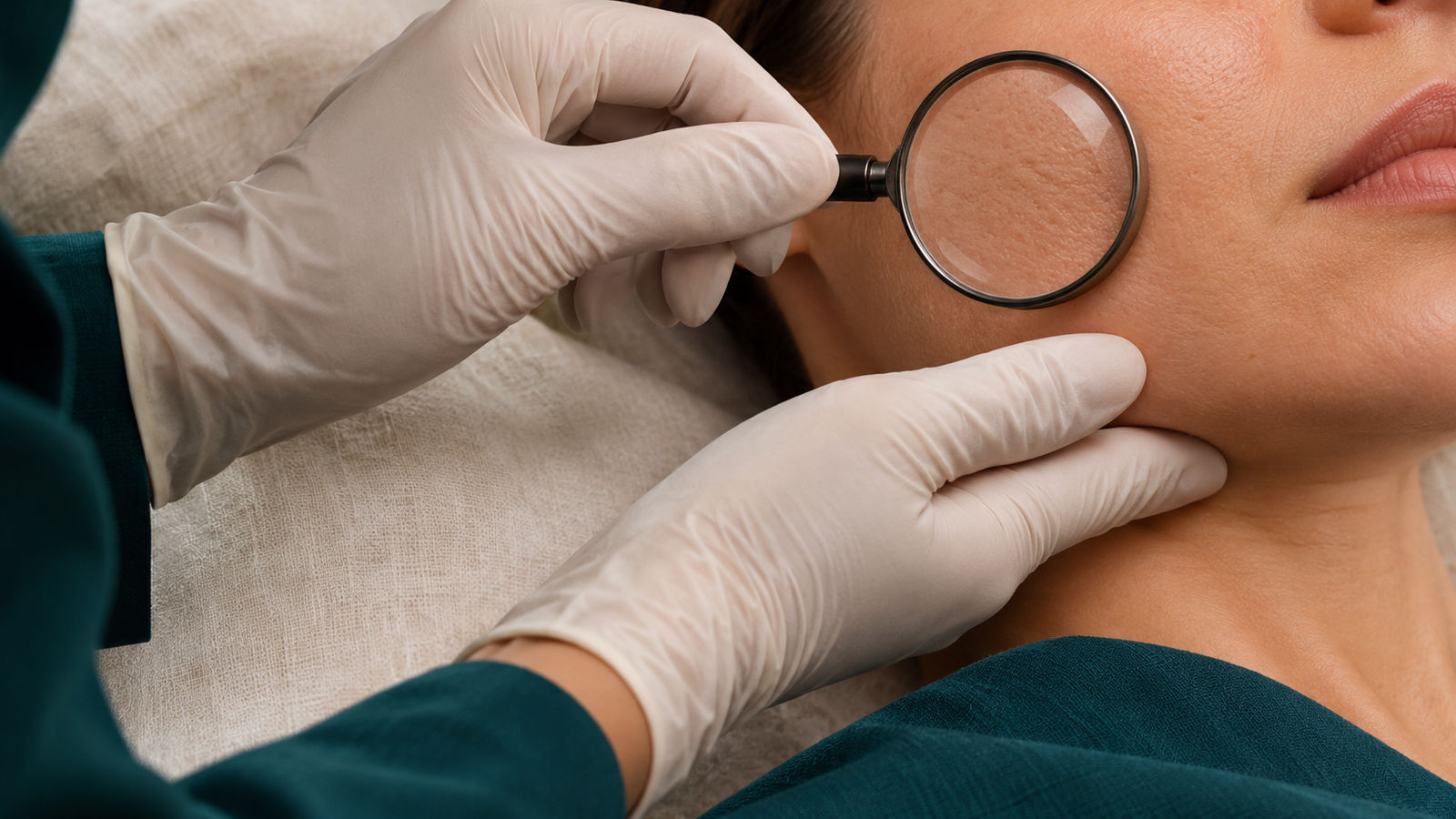
Exosome microneedling in Istanbul is listed at 7,900 TL per facial session at Skincare Center Nexja. Nexja’s 1 October 2026 catalogue identifies the option as Dermapen microneedling with Hyamax ExoGlow. Before deciding, ask the clinic to confirm the current total, the exact product and its intended use, who will assess your skin and what evidence supports the proposed combination. Those questions matter as much as the price.
Ask Nexja about a facial microneedling consultation on WhatsApp.
Exosome microneedling price in Istanbul at Nexja
| Listed service | Price per session | Catalogue description |
|---|---|---|
| Facial microneedling with exosome support | 7,900 TL | Dermapen and Hyamax ExoGlow |
| Standard facial microneedling | 4,500 TL | Dermapen and mesoestetic mesohyal support |
The catalogue states that VAT is included and lists a 10% bank commission for card payments. Ask Nexja whether the same payment terms still apply and request the payable total in Turkish lira. The clinic’s facial microneedling and exosome service page shows 7,900 TL. The figures above come from the facial skincare list. If you are asking about the scalp, specify that separately because the assessment and package descriptions differ.
The difference between the two catalogue prices is 3,400 TL per session. Those prices identify separate protocols, so the arithmetic alone cannot tell you what will be added for your skin or whether the more expensive visit is appropriate. Ask what is included in the consultation, which area is quoted, what happens if the clinician advises against the combination and how follow-up or separately supplied products would be priced. Confirm the quotation before making a deposit or arranging travel around it.
What “Dermapen with exosome support” means on this menu
Microneedling is a procedure in which a device equipped with small needles makes controlled punctures in the skin. Dermapen is the device family identified by Nexja for the listed facial service. Ask the treating practitioner to identify the exact model and applicable instructions during assessment. Device names and product names describe separate components. In Nexja’s catalogue, Hyamax ExoGlow is the named product for this service. The price list alone does not establish the product’s composition, manufacturing source, authorised intended use or safety with any specific needling device.
In biology, exosomes are one category of small particles released by cells. The term also appears in the marketing of products whose composition, source and intended route of use may differ. Ask for the exact label and product information for what the clinic proposes. A product described as a cosmetic for intact skin and a product proposed for use in connection with skin penetration raise different questions. A clinician should be able to explain the distinction and whether the proposed product and use are appropriate under the rules that apply in Türkiye.
The US FDA’s microneedling guidance explains that it has not cleared microneedling devices for use in combination with another product. The agency’s exosome product safety notification also describes serious adverse events reported after use of unapproved products marketed as containing exosomes. Those statements describe the US regulatory context. They do not determine the Turkish status of the named product. Ask the treating clinician to explain any local status and provide documentation specific to the proposed product and use.
Five things to verify before agreeing to the facial session
- Identify the exact procedure, facial area and device model the clinician proposes.
- Ask for the product name, manufacturer information, packaging label and intended use.
- Ask what evidence supports that product and combination for your skin concern.
- Confirm who makes the suitability decision, who performs the procedure and how the clinic handles hygiene and follow-up.
- Get the full cost, conditions for changes after assessment and written aftercare instructions.
Ask what the procedure is intended to address
Tell the clinician which visible change matters most to you, for example the appearance of a specific scar or uneven texture across an area. Mention when you noticed it and whether it has changed recently. If you describe three unrelated concerns at once, ask the clinician which one should be assessed first. Different concerns can look similar in photographs and still call for different decisions. The distinction between acne scars and a flat mark left after a breakout, for example, can change what a clinician considers relevant. Nexja’s acne scar treatment guide explains why identifying the type of concern matters before you choose a service.
Ask to see the proposed product information
Bring a short list of questions about the exact product. Who manufactures it? What does the label say it is intended for? How can the clinician verify its origin and traceability? Does the proposed use match the product and device instructions? If the answer relies on a separate authorisation or clinical rationale, ask for that information before you consent. Products with similar names can differ. An image on a menu or an online review cannot establish what is in a specific package or whether its instructions support the planned use.
Ask about evidence for your concern and your alternatives
A paper about one exosome preparation cannot establish that a different brand, source or combination produces the same outcome. Ask whether the clinician can point to evidence for the exact option being discussed and whether it measured the change that matters to you. For scars, that might be a meaningful improvement in the appearance of the area over time. For general texture, ask how improvement would be assessed and what else could explain it. Ask how long participants were monitored for adverse effects if a study is cited. The answer can include uncertainty, and it is reasonable to take time to consider it.
Ask who performs it and how the clinic handles hygiene
Find out who assesses suitability, who performs the procedure and how to contact the responsible clinician if a problem develops after you leave. Ask how the clinic handles single-use sterile cartridges and prepares the treatment area. The FDA’s device guidance discusses infection and cross-contamination as potential risks. The clinic should be able to explain its precautions and tell you what they mean for your appointment. If you cannot get an answer you understand about who is responsible for treatment and follow-up, use the consultation to gather information before deciding whether to proceed.
Make room to change your mind after assessment
Ask what happens if the assessment changes the plan. You might decide to talk about standard microneedling, return later when your skin has settled, or ask for assessment of a separate skin condition. Find out whether the initial consultation can be booked by itself. If you have already arranged to travel, avoid letting a deposit or an open afternoon determine the choice of procedure. A written quote can show which charges apply to consultation and which apply if you choose a treatment.
How to prepare for a consultation in Istanbul
Prepare a simple timeline
Make a short note of recent procedures, when they took place and how your skin responded. Include laser, peeling, injections and previous needling if applicable. If a reaction lasted longer than you expected, describe what happened rather than assuming the clinician can see it during your visit. If you were treated by someone else, bring the treatment name and any instructions you received. This can prevent two providers from making decisions with different information. An accurate timeline also gives the clinician a starting point for discussing when your skin is ready to be assessed.
Bring information about medicines and skin history
List your prescription and over-the-counter medicines, including treatments used on your face. Tell the clinician about recent infections, cold sores, unusual scarring, previous pigment changes and known reactions. Mention conditions that affect healing or bleeding if they apply. If you are pregnant, breastfeeding or considering pregnancy, bring that up before reserving a procedure so the clinic can explain its approach. These details inform individual suitability. Ask your prescribing clinician before stopping or changing any medication around an appointment. A booking guide cannot make that decision for you.
Explain practical constraints at the start
When contacting the clinic, mention upcoming meetings, a flight, a wedding or any activity where you want to look or feel a certain way. Ask how the possible appearance after treatment might affect your plans. A short visit to Istanbul may make it harder to return in person if you have a question later. Ask who handles follow-up by phone or message and what circumstances would require medical attention near where you are staying. If you need instructions in English or another language, request that when scheduling so you can understand the consent and aftercare information.
What to ask about recovery and follow-up
Ask how your skin might look and feel in the first few days after the particular option discussed. The FDA lists redness, discomfort, swelling and changes in pigmentation among potential effects of microneedling. Some people may face a higher risk of particular complications because of their skin history or the procedure selected. Ask how these risks apply to you and how the clinician differentiates expected redness from a reaction needing medical attention. Agree on a way to reach them before you leave the clinic.
Request written guidance for makeup, cleansing, moisturising, sun exposure and when to restart your regular products. Discuss planned exercise, swimming or sauna use if any fall within the time you are travelling. Let the clinician know if you will spend long stretches outdoors or cannot easily bring a specific product with you. General resources such as the American Academy of Dermatology’s sunscreen guide can help you choose everyday protection, while the person treating you should explain when particular products are appropriate after your appointment.
Ask which symptoms need prompt medical attention, including worsening pain, spreading redness, significant swelling or possible infection. If a problem develops after you return home, your local clinician may want the date, device name, area treated and exact product that was used. Keep your receipt and written instructions together so you can retrieve those details. If a product is part of the visit, ask what identification information the clinic can record. A reliable record can help when you seek advice from someone who was not present at your appointment.
How to compare a consultation, a facial and standard microneedling
Start by deciding whether you want information, a surface-care appointment or an evaluation for a procedure that penetrates the skin. If you are unsure whether the visible issue is a scar or a colour change, seek an assessment before choosing a procedure. Ask whether consultation is available without a same-day decision. If your main goal is cleansing or hydration around a trip, Nexja’s facial options and prices guide covers services to discuss. Make sure anything proposed fits the condition of your skin and the time you have available.
If standard microneedling is one of the options, the standard Nexja service page describes a separate catalogue service. Ask what the standard protocol includes and apply the same checks to any accompanying product. The question for a clinician is whether one option has a sound rationale and an acceptable risk profile for your concern. If you are asking several clinics for quotes, send each one the same description, ask for the same price details and compare their answers about suitability, documentation and follow-up.
How to read a treatment study cited during your consultation
Start by checking what the investigators actually tested. Note the product name, how participants received it, what treatment they received alongside it and which concern was measured. If the description uses a broad category in the title, read the methods or ask the clinician to explain the details. A study that compares two treatments may provide different information from an observation of a small group receiving the same treatment. Ask how many people took part, whether they were similar to you in relevant ways and how long they were followed.
Look at the result the researchers chose to report. An investigator rating, a participant satisfaction questionnaire and a measured change in a scar or pigment score answer different questions. Photographs can be helpful if they use consistent lighting and timing. Ask whether the reported change mattered to participants in their daily lives and whether the study followed them long enough to see what happened next. Early changes can be noticeable without establishing how long they last. For a procedure you are considering primarily because of its advertised added benefit, ask what the study showed about the contribution of that particular component.
Review the safety information alongside the results. Ask whether the paper explains how adverse events were collected, how many people withdrew and whether the authors discuss what their study cannot establish. A small study may be unable to detect less common problems. Reports involving a different preparation or method can describe questions worth asking, while offering little evidence about the precise product and use in your quote. A clinician can help you decide whether the study applies to your situation and explain what uncertainty would remain if you choose to proceed.
Get a written quote you can use when comparing plans
A written quote helps you make a decision after you have had time to read the information. Ask it to specify the treated area, the session name, the listed device and product, the number of visits discussed and the final price for your payment method. If a package is suggested, ask how the clinic handles unused visits if your plan changes. Confirm whether the price obliges you to have an extra procedure or buy home-care products. You can ask for separate amounts for the consultation and any procedure so you can decide at each stage.
When comparing more than one provider, note which items each one has confirmed and which are still approximate. A quote that covers an assessment and follow-up visit may have a different scope from one that only covers procedure time. If you are comparing prices from different dates, ask whether each one is still valid. Ask how long you have to decide and whether the clinic can confirm the conditions for changing your reservation. Keep communications that record the final scope and amount in case another member of staff answers on the day.
Examples of questions for different consultation goals
If you are concerned about a small area of uneven texture
Point out the area and ask what the clinician sees. Ask whether it makes sense to assess that area by itself and whether the listed facial price applies to the proposed visit. If the clinic gives you several options, ask what each aims to address and what changes would justify another appointment. Confirm whether the exact product and procedure suggested for the area have evidence specific to your concern.
If you previously had a strong response to a skin procedure
Describe the response, what you did about it and how long it lasted. If you received medical advice or took any treatment afterwards, tell the clinician. Ask whether this history changes their recommendation, what signs they would want you to report and where you should seek help after hours. Give yourself time to compare the answer with any advice you previously received from your own clinician.
If your trip leaves little time for follow-up
Say when you arrive and when you leave before choosing a date. Ask how the clinic handles follow-up after international travel and what records it can provide if another clinician needs to review what happened. You can request the assessment first and decide about treatment later. Confirm the language of the written information so you can review it clearly before making a decision.
Common myths about facial exosome microneedling
“The word exosome tells me what is in the product.”
Ask to see the manufacturer information and label. The term can refer to different materials, and a claim about the general category cannot identify the exact contents of the product a provider proposes. Composition and intended use are relevant when discussing potential risks and whether any studies apply.
“A device clearance covers any serum used with it.”
A device and a product can be assessed separately. A claim about device status does not answer whether a particular combination has been assessed. Ask the clinician to explain what documentation covers the device, what covers the product and how those documents relate to the intended use. Be especially careful with claims that cite a foreign regulator without naming the exact decision.
“Higher price means a better likely result.”
A higher quote can reflect products, appointment time or a different protocol. It cannot predict how your skin will respond. Ask what measurable benefit the clinician expects for your concern and how they would recognise a poor response. That gives you a more useful basis for deciding whether a different appointment or no procedure makes sense.
“An impressive before-and-after photo settles the question.”
Check when the pictures were taken, whether the lighting and camera angle are comparable and what other treatments took place. A photograph can document someone’s appearance at two points in time. It cannot show whether the same change is likely for you or describe all potential complications. Ask the clinician what evidence they use alongside photographs.
Frequently asked questions
What is the listed face treatment price?
Nexja’s facial catalogue lists 7,900 TL for one microneedling session with the named exosome product. Confirm whether the figure is still current for the area you want assessed, whether the consultation is included and what the total is for your payment method. If you discuss a series, request a written quote that states what each visit includes.
Can I book an assessment first and decide another day?
Ask Nexja for a consultation appointment and say that you would like time to consider the information. Ask what the assessment costs and whether anything is owed if the proposed treatment is postponed. Consultation can be especially useful when you have had a recent treatment or are comparing more than one option.
Does the price include medicine, home care or follow-up?
The catalogue identifies the session and its named components. Ask about prescriptions, follow-up reviews and any home products before booking. You can ask the clinic to itemise any charge that is separate from the procedure and explain which items are optional. That makes the final cost easier to compare with another quote.
Can the clinic confirm my suitability from a photo?
A booking photo may help the team understand the area you want to discuss. A clinician may still need your medical history and an in-person assessment. Ask how the clinic handles images and agree on a private channel before sharing identifiable pictures or sensitive medical information.
Can I schedule it on my last day in Istanbul?
Tell the clinic when you plan to leave and ask how follow-up would work. An assessment can help determine whether the schedule is practical. If you need to leave soon after the appointment, ask whom to contact if your reaction changes and whether the team recommends arranging a different date.
How do I ask for the current price and an appointment?
Share your preferred date and say you want to discuss the facial service. Ask for the current total, the consultation process, the procedure provider and the exact product information. Use the clinic’s private process if it needs details of your medical history. Request a consultation and price confirmation on WhatsApp.